
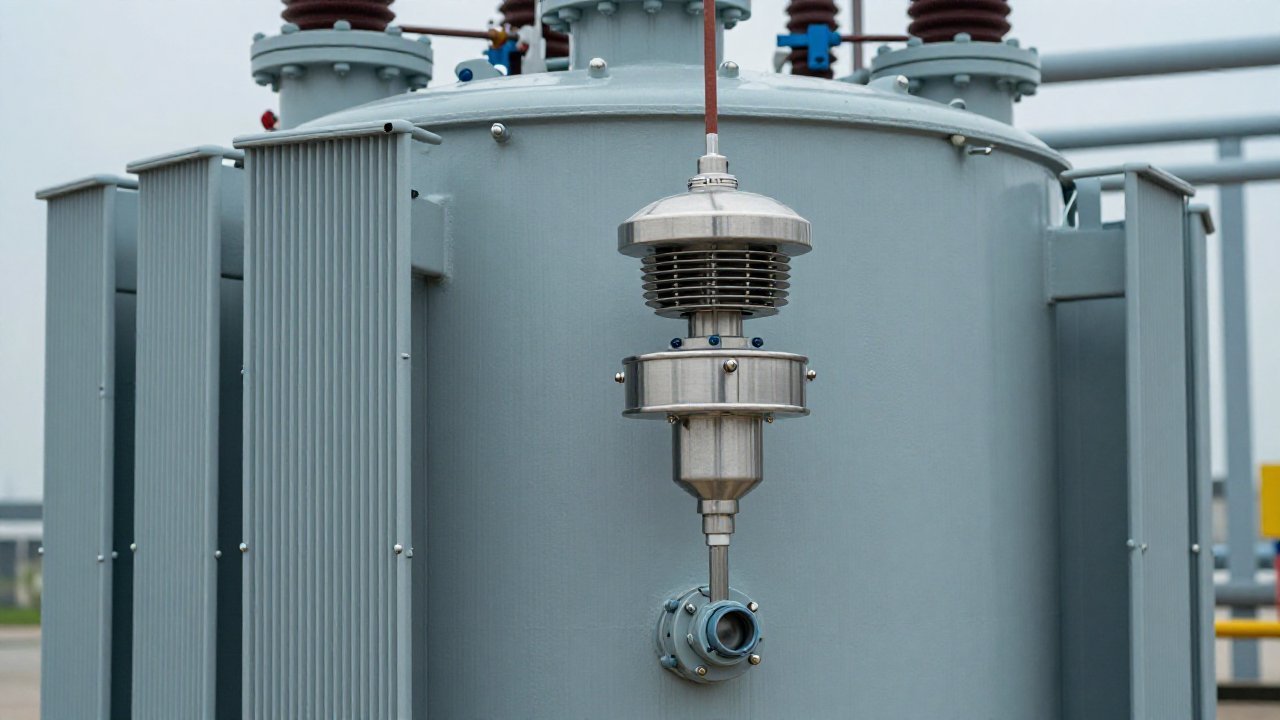
Dissolved Gas Analysis (DGA) is the most important diagnostic tool for power transformer condition assessment. When transformers experience electrical or thermal stress, mineral oil and cellulose insulation decompose into gases that dissolve in the oil. Each type of stress produces a characteristic gas pattern — by measuring these gases, engineers can identify the type, severity, and development rate of faults weeks before conventional protection systems detect anything.
The Key Fault Gases
| Gas | Symbol | Indicates | Temperature |
|---|---|---|---|
| Hydrogen | H₂ | Partial discharge, corona, arcing | All — earliest indicator |
| Acetylene | C₂H₂ | High-energy arcing | > 700°C |
| Ethylene | C₂H₄ | Severe overheating (hot metal) | > 500°C |
| Methane | CH₄ | Low-temperature overheating | 150-300°C |
| Ethane | C₂H₆ | Mid-range overheating | 300-500°C |
| Carbon Monoxide | CO | Paper/cellulose degradation | All |
Online vs. Laboratory DGA
Traditional laboratory DGA samples transformers annually or semi-annually. A fault that develops and escalates between samples can destroy a transformer without warning. Online DGA monitors measure continuously — hourly or daily — capturing rate-of-change data that is often more diagnostically valuable than absolute concentration.
Over a transformer’s 30-50 year service life, online DGA typically costs less than laboratory sampling while providing dramatically better protection. This is why utilities worldwide are transitioning from periodic lab DGA to continuous online monitoring for critical and fleet-wide transformer assets.
Diagnostic Methods
The major standards for DGA interpretation are IEC 60599 (gas ratio method) and IEEE C57.104 (status code method). Complementary graphical methods include the Duval Triangle (CH₄, C₂H₄, C₂H₂ → 6 fault zones) and Duval Pentagon (5 gases → additional fault subtypes). Modern online DGA monitors implement these methods automatically and provide clear diagnostic recommendations.