
Dissolved gas analysis (DGA) is a monitoring technique that detects fault gases dissolved in transformer insulating oil — PAS DGA applies it across utility, renewable, industrial and HVDC transformer fleets.
From 1,000 kV UHV substations to remote wind farms — PAS DGA technology serves every power transformer application with online dissolved gas monitoring.
Key figures at a glance
- Multi-gas monitors measure on a cycle of 1 to 24 hours (default 4 hours) — up to 6 measurements per day with no operator involvement.
- Palladium-alloy hydrogen sensors hold ±15% of reading or ±5 ppm accuracy with no routine calibration.
- The laser photoacoustic (LPAS) detection cell has no consumables and its laser diode is rated for more than 50,000 hours of continuous operation.
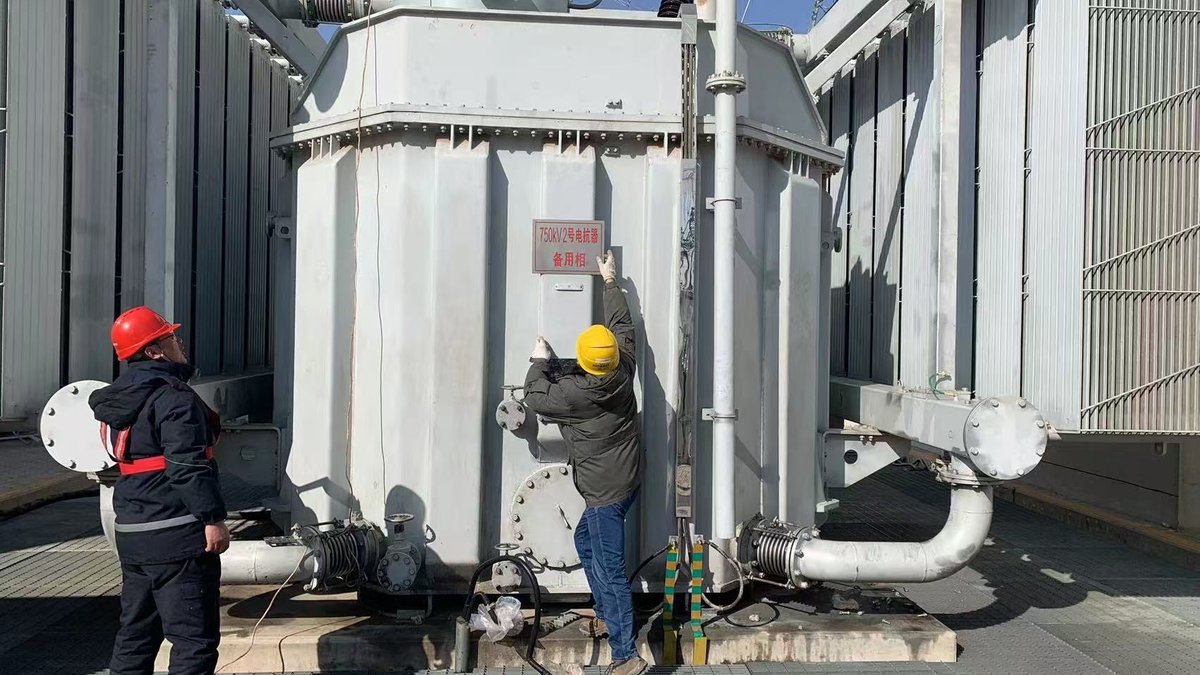
Power Utilities
Transmission & distribution — 110 kV to 1,000 kV UHV. Fleet-wide condition-based maintenance.
Learn more →
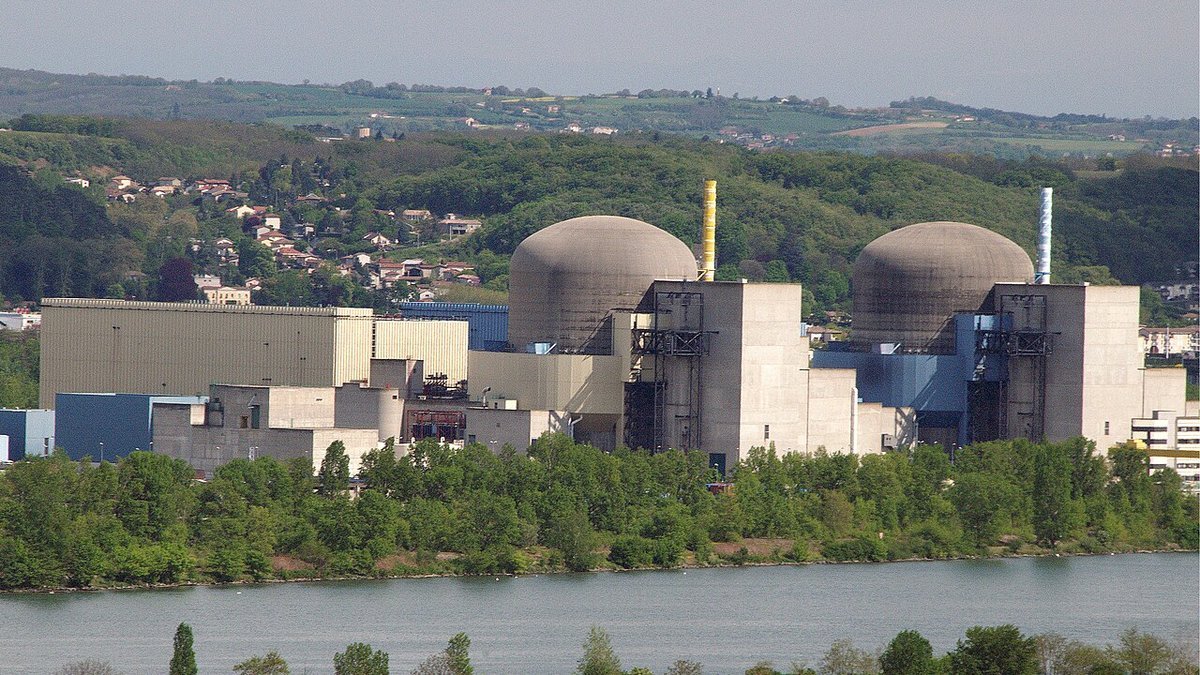
Power Generation
Generator step-up (GSU) transformers in fossil, nuclear and hydro plants — protecting the grid connection.
Learn more →

Renewable Energy
Wind, solar and BESS transformers — remote, distributed assets with low-power and wireless options.
Learn more →
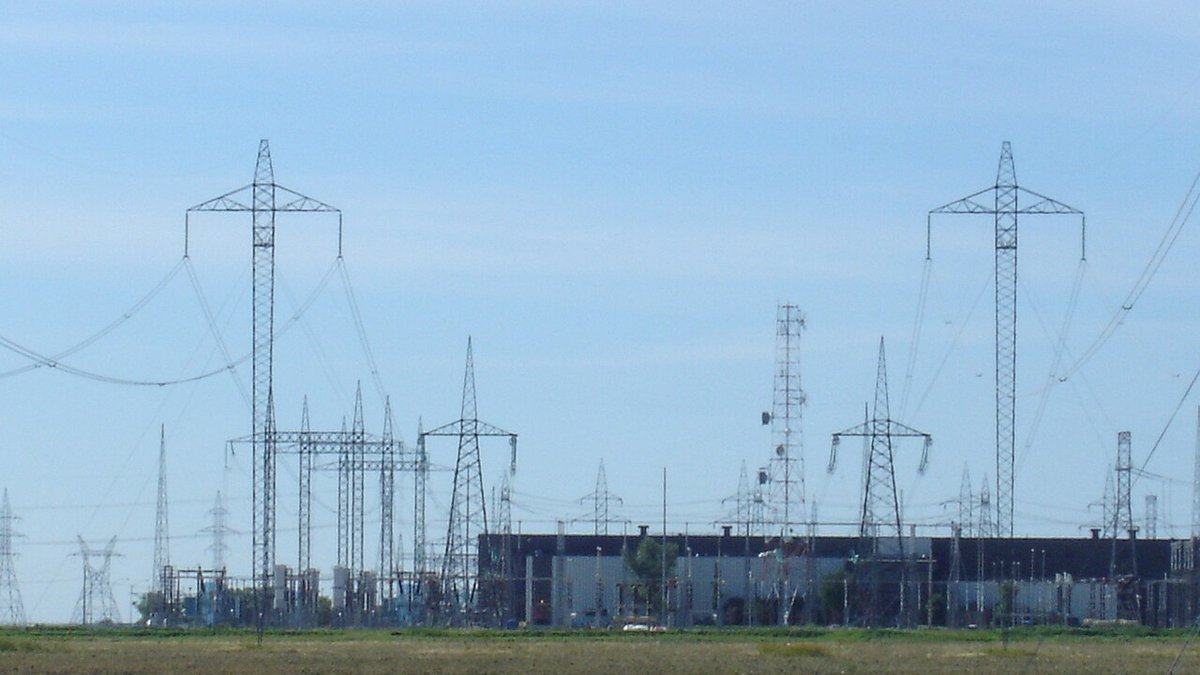
HVDC & UHV
Converter transformers in HVDC and UHV stations — the most demanding DGA applications.
Learn more →
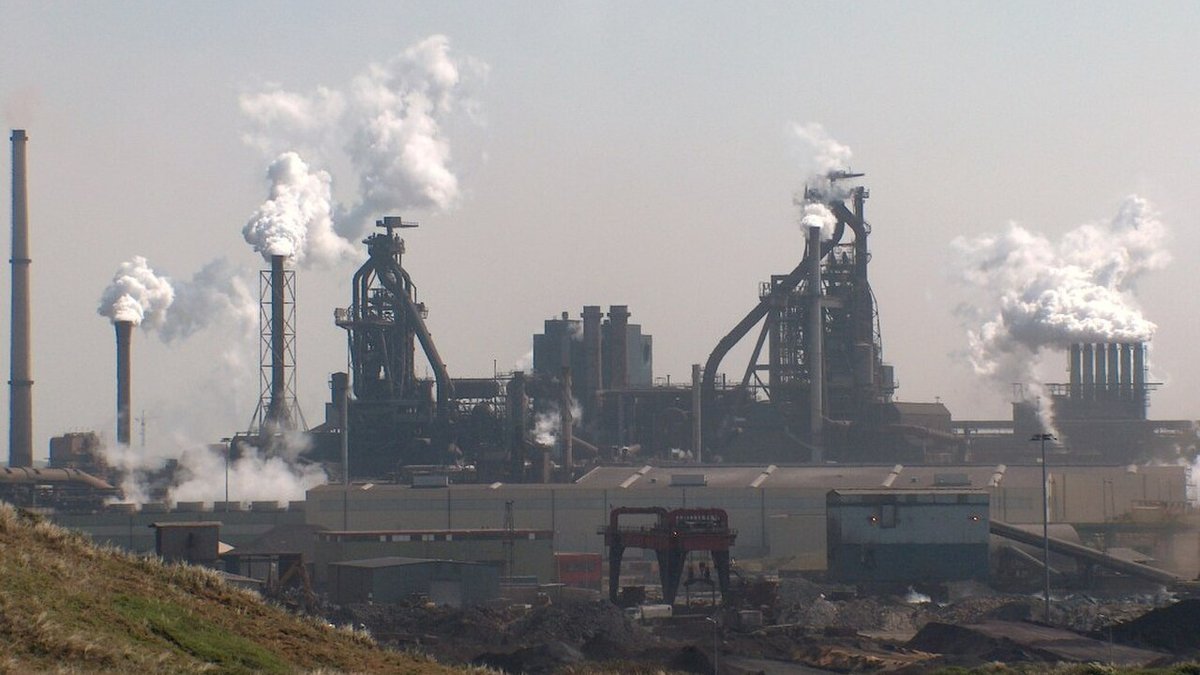
Heavy Industry
Steel, chemicals, mining — critical process transformers where downtime is most expensive.
Learn more →
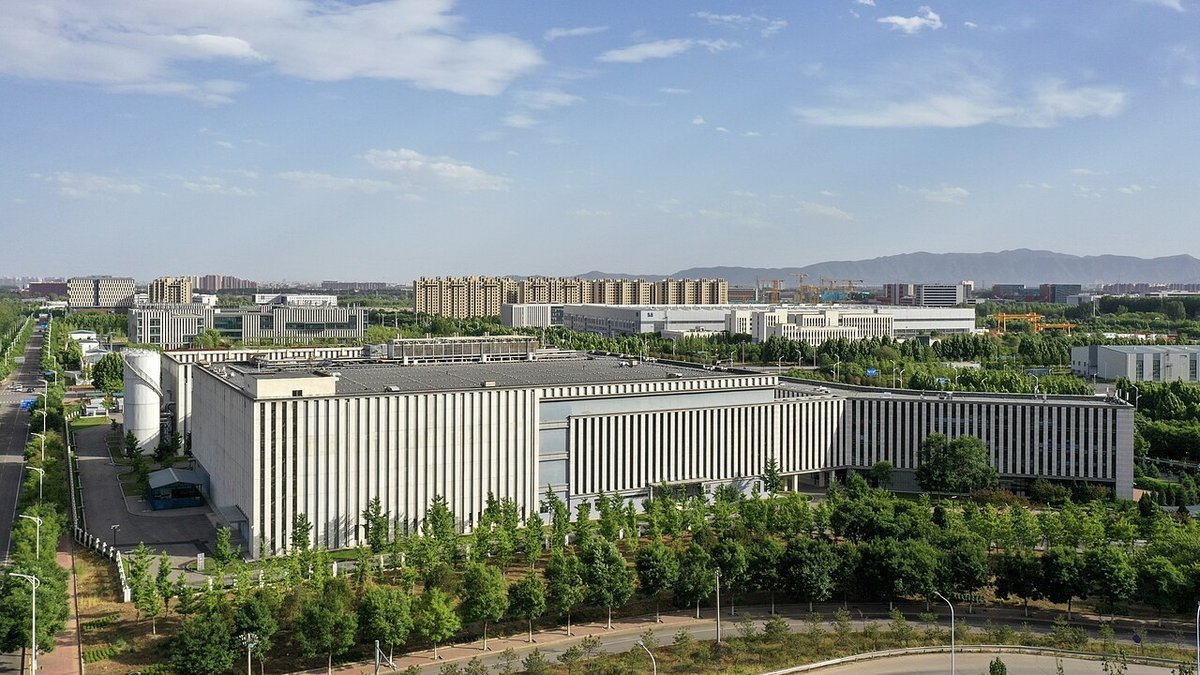
Data Centers
Mission-critical power reliability — 24/7 DGA monitoring for data center transformers.
Learn more →
How to roll out an online DGA monitoring programme
- Step 1: Screen your fleet — rank transformers by criticality: UHV/HVDC, generator step-up and heavily loaded units first.
- Step 2: Match the technology — hydrogen-only monitors give low-cost early warning; multi-gas LPAS monitors give full fault-type diagnosis.
- Step 3: Install at the valve — mount the monitor on the transformer sampling valve using the universal adapter, typically while the transformer stays in service.
- Step 4: Set thresholds and integrate — configure alarm levels and connect MODBUS or IEC 61850 to SCADA.
- Step 5: Act on trends — review gas-rate trends and move from calendar-based to condition-based maintenance.
FAQ
Q: How often should DGA monitoring be performed?
A: IEC and IEEE standards recommend: (1) Critical transformers (GSU, >200 MVA, >220 kV): continuous online monitoring with hourly measurements; (2) Transmission transformers (66–220 kV): annual offline DGA minimum, online recommended; (3) Distribution transformers (
Q: What gases does a DGA monitor detect?
A: The DGA-900 detects 9 fault gases plus moisture: hydrogen (H₂), carbon monoxide (CO), carbon dioxide (CO₂), methane (CH₄), ethane (C₂H₆), ethylene (C₂H₄), acetylene (C₂H₂), oxygen (O₂), nitrogen (N₂), and moisture (H₂O). The DGA-200/300/500 hydrogen sensors detect H₂ down to 1–2 ppm.