
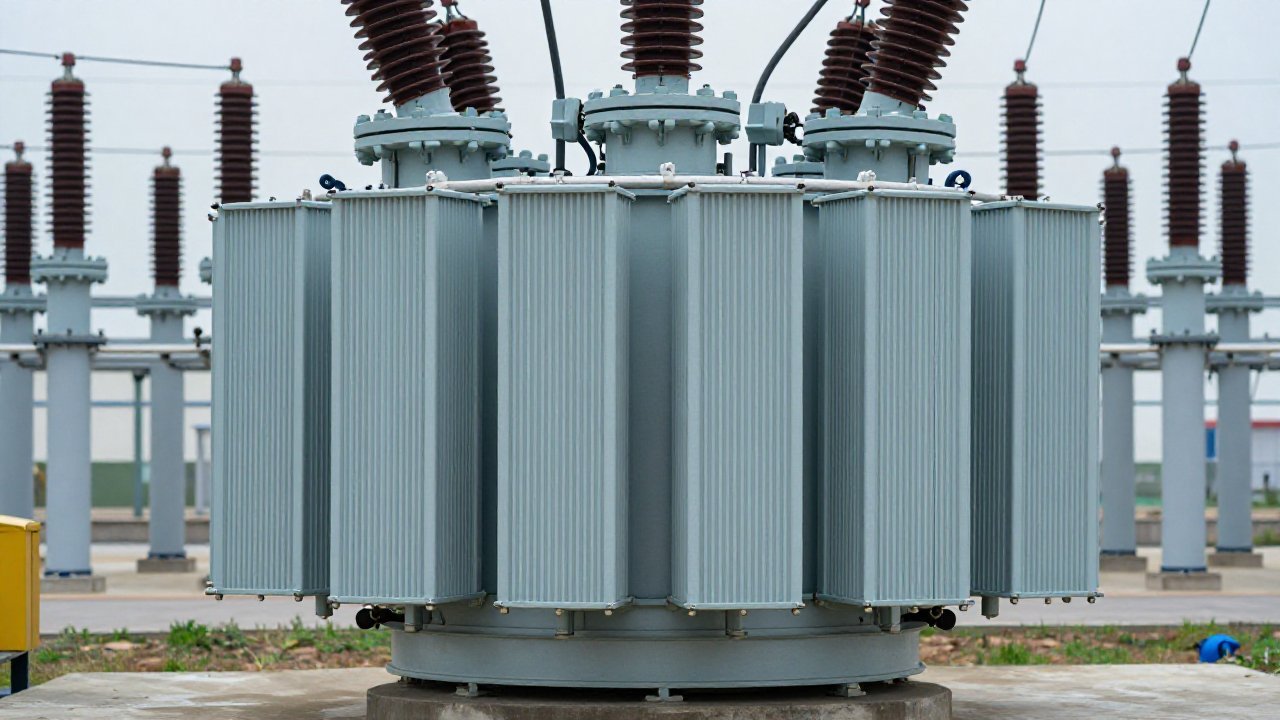
CIGRE 2026: when dissolved gas tells the story first
At the CIGRE Paris Session in late August 2026, case study A2-12056 walked delegates through a generator step-up unit at Thailand’s Mae Moh coal plant. The online dissolved gas analysis (DGA) system on Unit 14 caught a gradual rise in methane, ethane, and ethylene near 600 MW — the signature of a thermal fault, not paper aging. Magnetic screening and metallurgical checks later traced the gases to an unintended ferromagnetic carbon-steel part in the low-voltage bushing turret. The broader point for any fleet is simple: gas changes before a transformer fails, and the classic first screen is the TDCG transformer risk number — total dissolved combustible gas.
What TDCG includes and the condition bands that read it
TDCG adds the six combustible gases dissolved in the oil: hydrogen (H2), carbon monoxide (CO), methane (CH4), ethane (C2H6), ethylene (C2H4), and acetylene (C2H2). Carbon dioxide (CO2) is left out because it is not combustible. A utility lab measures each gas, sums them, and compares the total to the condition bands in IEEE C57.104.
| Gas | Symbol | Why it matters |
|---|---|---|
| Hydrogen | H2 | Rises early in partial discharge and many thermal faults |
| Carbon monoxide | CO | Indicates paper / cellulose overheating |
| Methane / Ethane | CH4 / C2H6 | Low-temperature oil decomposition |
| Ethylene | C2H4 | Hot oil above roughly 300 °C |
| Acetylene | C2H2 | Arcing / high-energy discharge — act fast |
The bands give the number meaning. TDCG at or below 720 ppm sits in Condition 1; 721–1,920 ppm is Condition 2; 1,921–4,630 ppm is Condition 3; above 4,630 ppm is Condition 4. Re-test intervals shorten as the condition climbs, from roughly annual at Condition 1 toward daily or continuous at Condition 4. Most fleets also check the worst individual gas, because one gas above its own limit can push a unit into a higher condition than the total alone suggests.
What a TDCG transformer total hides
The Mae Moh total would have said “thermal fault developing,” but it would not have pointed to the low-voltage bushing turret, and it could not have separated a stray steel part from a loose joint. That localization comes from the pattern of individual gases and their rates of rise — ethylene dominating methane, for instance, suggests hot metal rather than smoldering paper.
Fleet experience tells a similar story. In a case account published by an online DGA supplier (vendor data), Taiwan Power Company equipped more than 2,000 transformers from 69 kV to 345 kV with online monitors over a decade. Its first wave used more than 1,000 low-cost “smoke detector” devices that measured only total combustible gas; reliability problems and thin diagnostic detail led the utility to replace them with online DGA units that track at least two fault gases plus moisture. A total is a useful tripwire, but a weak basis for a maintenance decision.
Can online monitoring close the gap between annual samples?
Yes, at two levels. A single-gas online analyzer adds a continuous hydrogen trend, which matters because hydrogen is an early gas in many fault types and works as a dependable canary between lab visits. A multi-gas online monitor goes further: it computes the full TDCG set in near real time and shows the individual-gas pattern at the same moment.
| Approach | Typical cycle | What it gives you |
|---|---|---|
| Lab TDCG sample | Annual–quarterly | Full six-gas total, certified method |
| Online H2 sensor | Continuous (minutes) | Early rising-gas trend between samples |
| Online 9-gas + moisture | Continuous (minutes) | Online TDCG plus the full fault-gas pattern |
On that ladder, the DGA-500 hydrogen monitor is the single-gas rung — continuous H2 with no carrier gas and no consumables — while the DGA-900 analyzer is the multi-gas rung, covering nine gases plus moisture for assets that need the full set online. Both publish to MODBUS, IEC 61850, or DNP3 and feed existing DGA fundamentals workflows, so online data sits next to the lab history.
How often should a TDCG transformer sample be taken?
Start from the condition band: about annual in Condition 1, tightening as the total and the worst individual gas climb. The level sets the starting band, but the rate of rise decides how quickly you move through it — a fast-rising gas can pull a unit from Condition 1 to continuous watch in weeks. That is exactly where an online sensor earns its place: it decides when the lab bottle is worth pulling, so oil is sampled on evidence rather than on a calendar.
PAS DGA for TDCG transformer monitoring
PAS DGA builds online monitors that match each rung of the ladder. The DGA-500 tracks dissolved hydrogen continuously with no carrier gas and no consumables; the DGA-900 extends coverage to nine gases plus moisture for fleets that want the complete picture online, including a live fleet screening view across many units. For a deeper look at gas patterns, start with the DGA interpretation guide. Contact PAS DGA to map your transformers onto the right rung.