
Precision Manufacturing & Quality Control
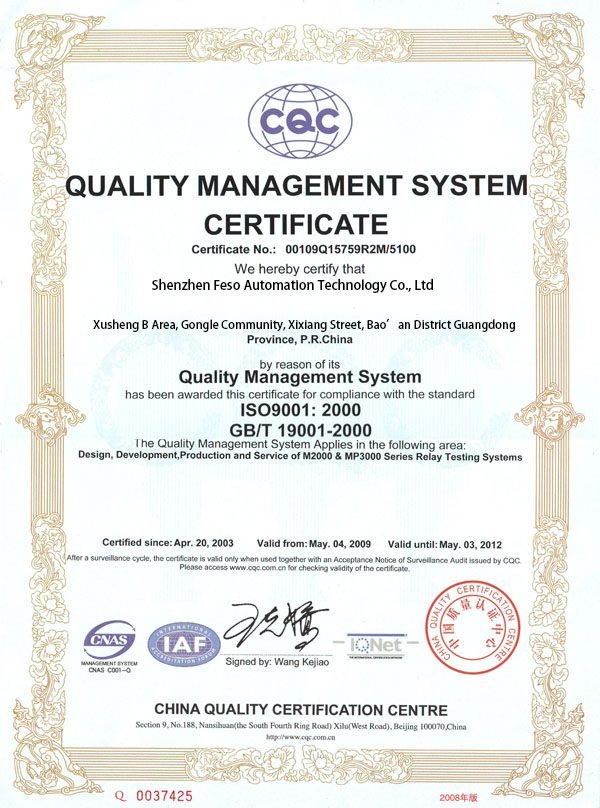
Every PAS DGA monitor is designed, assembled, and tested at our ISO 9001 certified facility in Shenzhen, China. By keeping sensor deposition, electronics assembly, and calibration in-house, we control every variable that determines field accuracy — so a monitor that leaves our factory performs identically five years later.
Certifications & Audited Quality
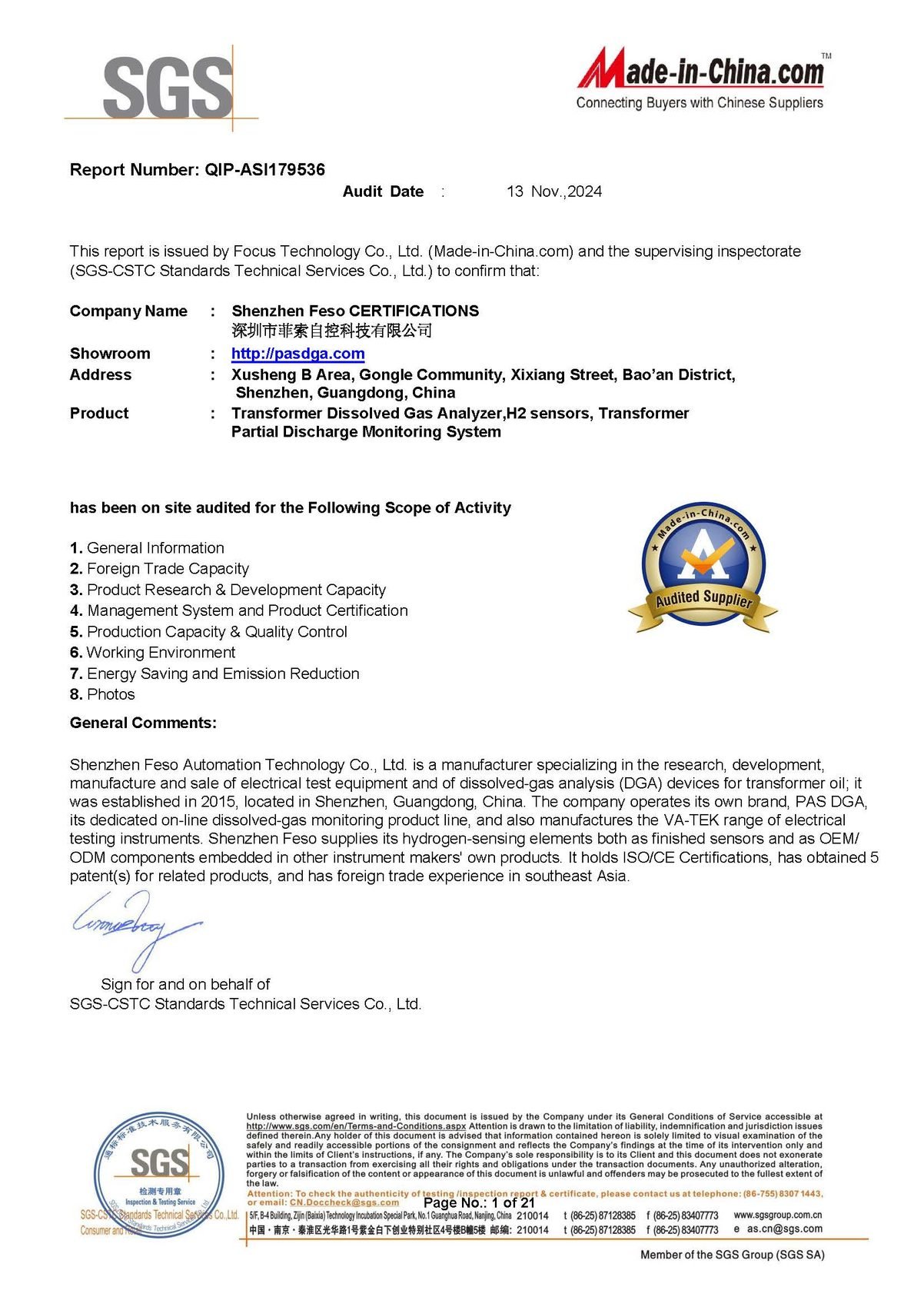
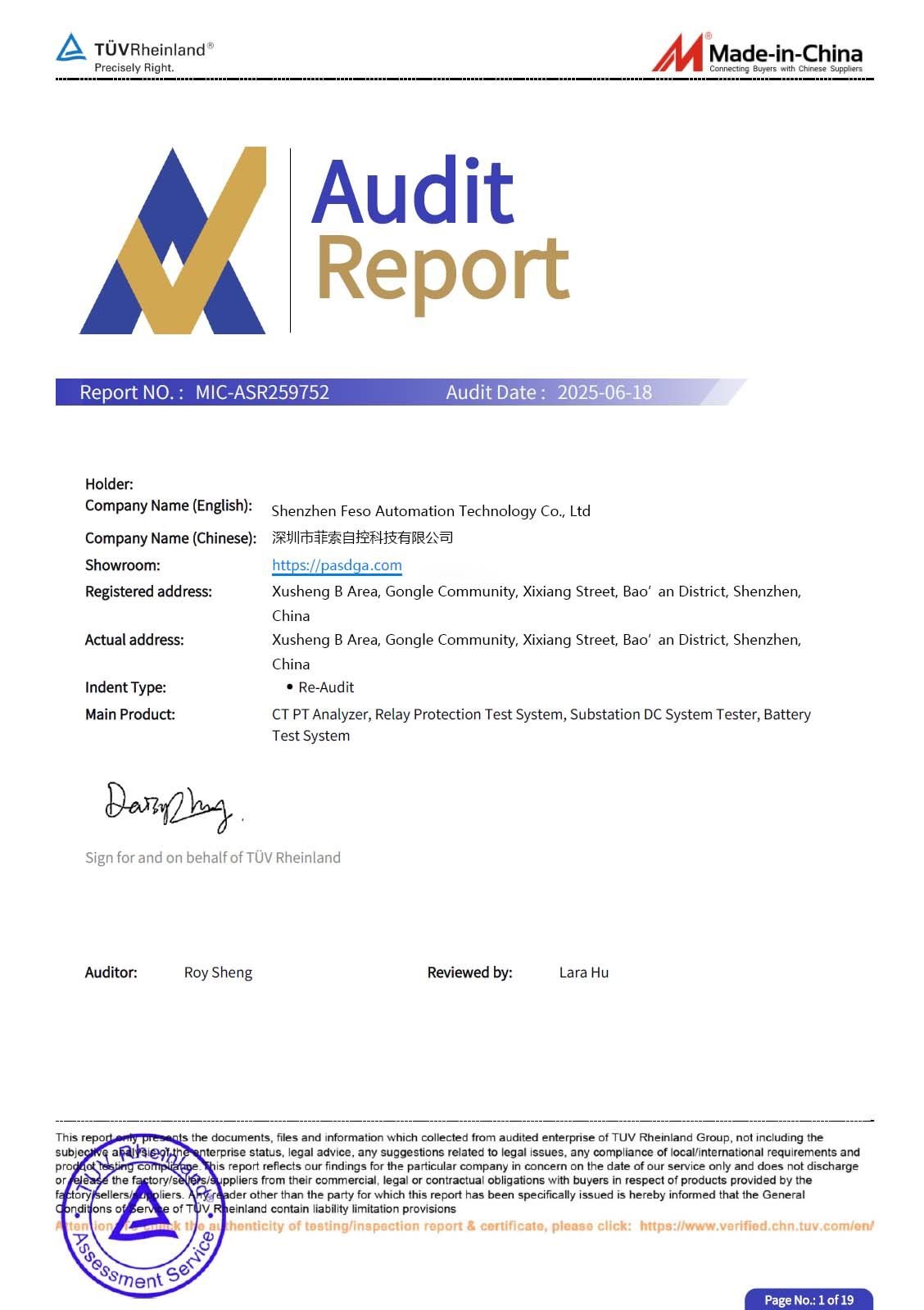
Our quality system and manufacturing facility are independently verified. The documents below record the systems behind every monitor we ship.
Palladium Alloy Thin-Film Deposition
The heart of our hydrogen sensors is a palladium alloy thin film deposited on a ceramic substrate. The deposition process determines the sensor’s sensitivity, selectivity, and long-term drift:
- Controlled sputtering produces a uniform, repeatable film thickness batch after batch.
- Each wafer is screened for sensitivity to hydrogen before assembly — no sensor ships without a traceable test record.
- Sealed sensor housing protects the film from oil contamination, moisture, and mechanical shock.
Every Unit Is Individually Calibrated
No sampling. No averaging. Each DGA monitor is calibrated against NIST-traceable gas standards at multiple concentration points across its full measurement range. The calibration certificate shipped with every unit records the exact response curve of that individual instrument.
100% Burn-In Before Shipping
Every monitor undergoes a 72-hour powered burn-in at operating temperature before final acceptance. This screens out infant-mortality failures in electronics and verifies communication interfaces (MODBUS RTU / RS-485 and 4–20 mA) before the unit is packed for international shipment.
Why In-House Manufacturing Matters
- Traceability — every component and process step documented per unit serial number.
- Shorter lead times — no dependency on third-party assembly bottlenecks.
- Faster engineering iterations — field learnings feed directly back into production.
- Consistent OEM supply — the same rigorous process supports our OEM partners worldwide.